By Dr Zoe Braund
Attention Deficit Hyperactivity Disorder (ADHD) is a complex neurodevelopmental condition. Children with ADHD may experience differences in attention, impulsivity and activity levels, and management often involves a combination of approaches tailored to the individual child.
A 2019 review published in Frontiers in Behavioral Neuroscience (Miquel et al.) explored the possible role of the cerebellum in impulsivity and compulsivity across several neuropsychiatric conditions, including ADHD. The authors noted that this remains an evolving area of research. Researchers continue to investigate relationships between movement, motor coordination and executive function in children with ADHD.
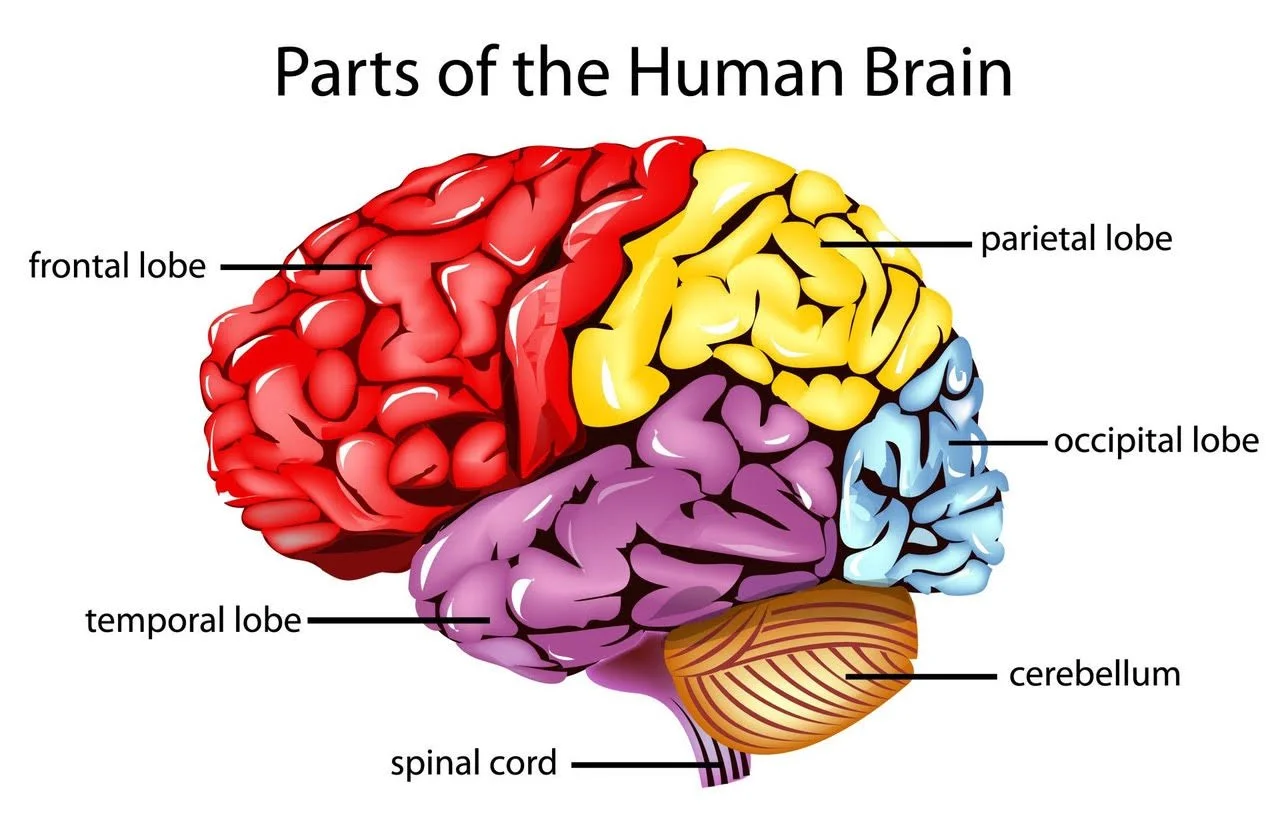
One area of ongoing research is the cerebellum, a region of the brain involved in movement coordination and motor control. Scientists are continuing to investigate how the cerebellum interacts with other parts of the brain and its potential role in child development.
Children with ADHD may benefit from a multidisciplinary approach involving their GP, paediatrician, psychologist, occupational therapist, physiotherapist, teacher and other healthcare professionals, depending on their individual needs.
Chiropractic Assessment
Some families choose to include chiropractic care as part of their child's broader healthcare.
A chiropractic appointment includes:
discussion of the child's health history
review of current concerns
an age-appropriate physical assessment
explanation of the findings
discussion of whether chiropractic care may be appropriate
discussion of available options, limitations and potential risks
Any recommendations are based on the individual child's presentation and should not replace assessment or management by other appropriate healthcare professionals.
Movement and Physical Activity
Regular physical activity is widely recognised as an important part of children's overall health and wellbeing. Activities that encourage movement, balance and coordination may be enjoyable ways for children to stay active and participate in everyday life.
The most appropriate activities and healthcare recommendations will vary between children.
This article provides general educational information only.
Miquel, M., Nicola, S. M., Gil-Miravet, I., Guarque-Chabrera, J., & Sanchez-Hernandez, A. (2019). A Working Hypothesis for the Role of the Cerebellum in Impulsivity and Compulsivity. Frontiers in behavioral neuroscience, 13, 99. https://doi.org/10.3389/fnbeh.