Vagal Rehabilitation
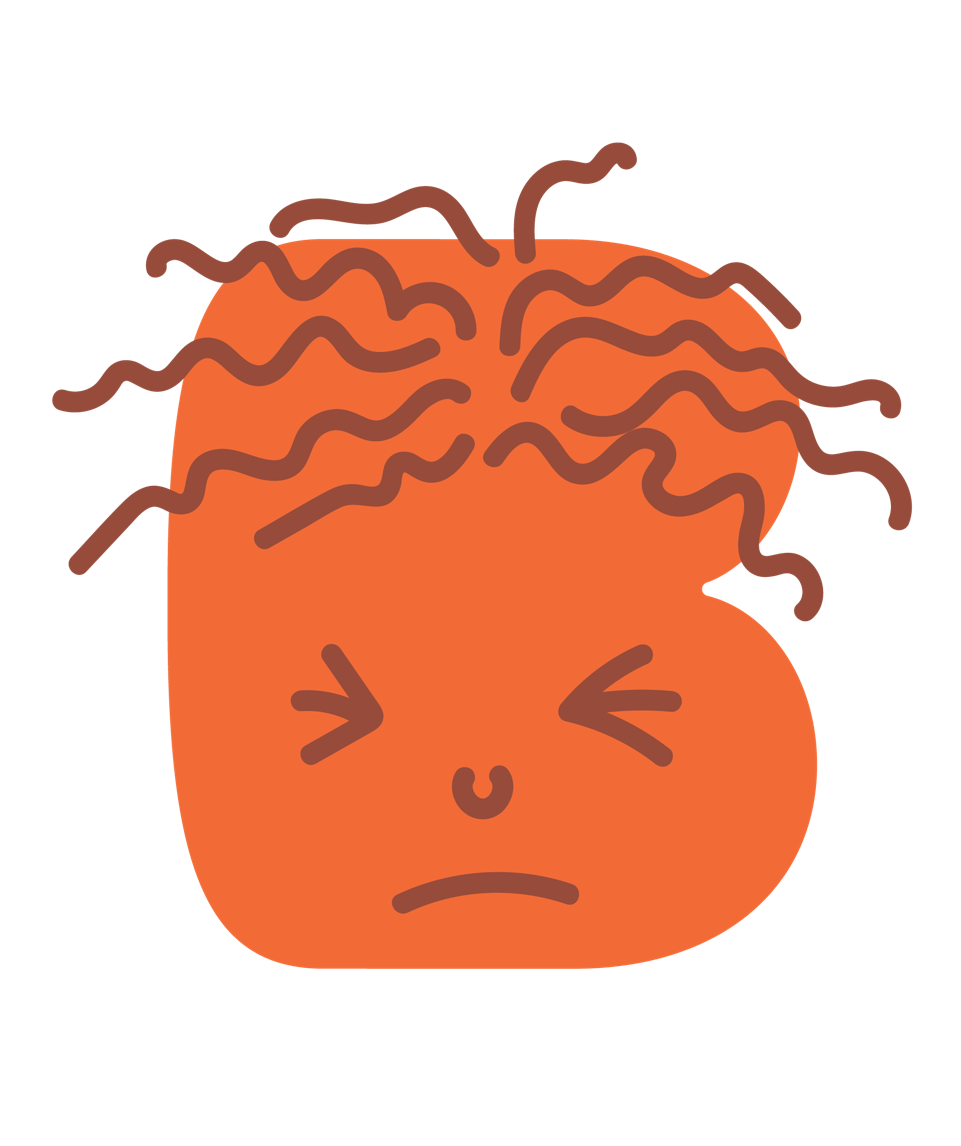
Many children today live in a constant state of overload—facing high levels of sensory input, emotional demands, academic pressure, and environmental stress that their developing nervous systems are not yet equipped to manage. When the body remains stuck in patterns of fight, flight, or shutdown, this can quietly affect learning, behaviour, digestion, sleep quality, immune balance, and emotional regulation. These responses are often misunderstood as behavioural challenges, when in reality they reflect a nervous system working hard to protect and adapt.
Vagal Rehabilitation is a gentle, clinically informed approach that supports the health and function of the vagus nerve—the primary communication pathway between the brain and body. By improving vagal tone and nervous system flexibility, this work helps children shift toward states of calm, connection, safety, and resilience, creating a stronger physiological foundation for growth, learning, and overall wellbeing.

The vagus nerve is essential for helping the body rest, recover, and respond to stress in a balanced way. Healthy vagal function supports:
Emotional regulation and recovery after stress
Balanced breathing patterns and heart rate variability (HRV)
Digestive function and gut–brain communication
Sleep quality and sensory processing tolerance
Social engagement, attention, and feelings of safety

When vagal tone is reduced, children may appear anxious, reactive, withdrawn, fatigued, or easily overwhelmed—not by choice, but by physiology.

Supporting Regulation, Safety, and Resilience
Each Vagal Rehabilitation plan is individually structured and may incorporate HRV (vagal tone) assessment where clinically appropriate, gentle regulation techniques, breath, posture, and rhythm-based interventions, targeted sensory-motor inputs, and complementary in-clinic tools selected according to the child’s presentation. This approach is commonly used for children experiencing anxiety, sensory overwhelm, emotional reactivity, sleep disturbance, digestive concerns associated with regulation challenges, or dysautonomia-style patterns where relevant. Care is guided by ongoing observation and adjustment to support functional improvements in attention, emotional stability, and daily participation.