
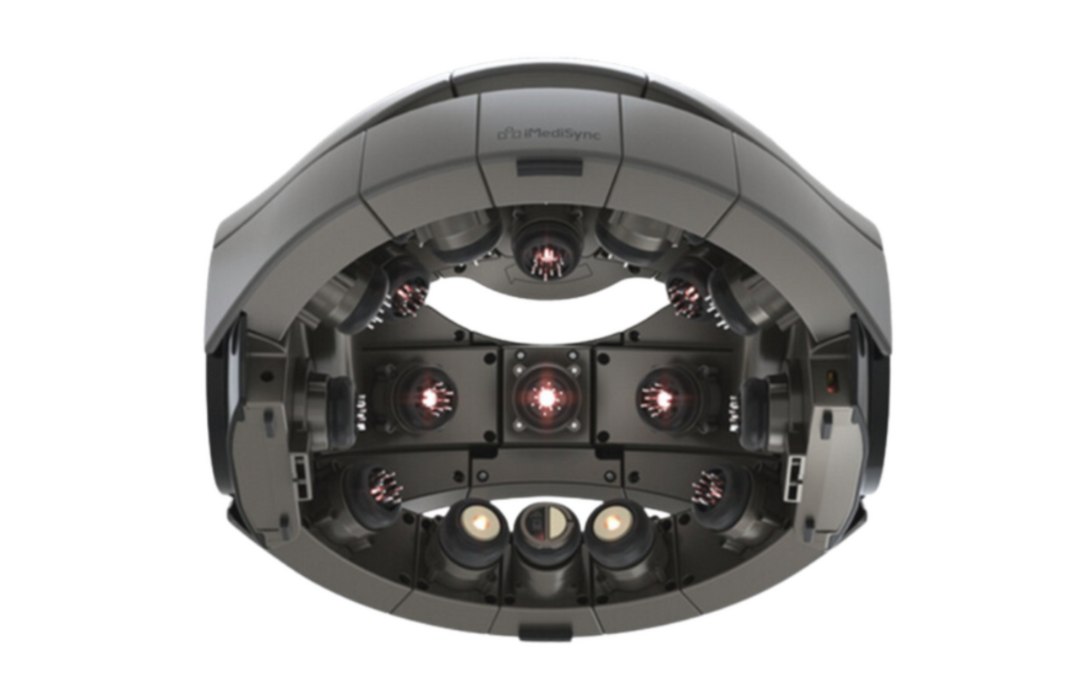
Brainshape Freshwater has recently purchased the isynchme QEEG helmet. This incredible technology both measures Brain waves, giving us and objective measure of functional brain connectivity and activity AND treatment options for individual prescribed Photobiomodulation therapy (PBM) or red light therapy to improve brain function. We are currently training in QEEG measurement and this technology will be available for both our chiropractic clients and Neurobalance clients in early July.
Quantitative Electroencephalogram or a QEEG, is a tool that measures electrical activity through the surface of the head in the form of brain wave patterns. These include delta, theta, gamma, beta, and alpha brain waves. A QEEG converts these into a map of the brain that can then be used to choose treatment.
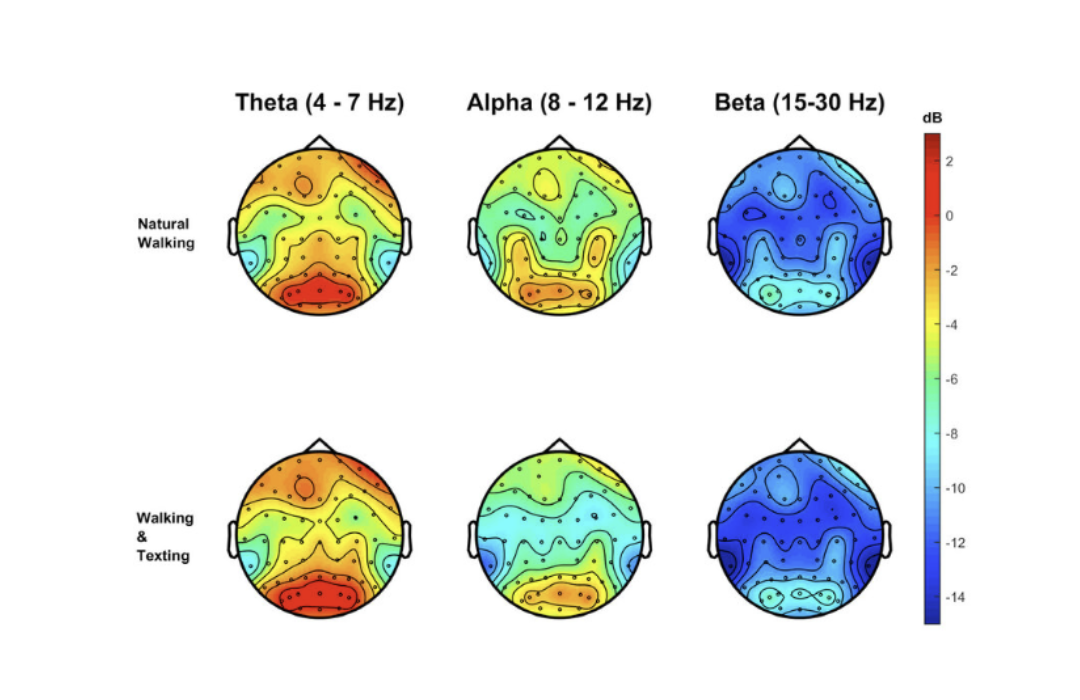
The SynAmps system used at the clinic records electroencephalogram data through sensors placed on the scalp. The recorded information can then be reviewed using the associated software.
Depending on the purpose of the assessment, the practitioner may discuss:
what the QEEG measures
what the test does not measure
how the recording is completed
how the information may be interpreted
whether referral to another healthcare professional is appropriate
any limitations associated with the results
Brainshape Freshwater may use the system as one component of a broader assessment process where clinically appropriate.
About photobiomodulation
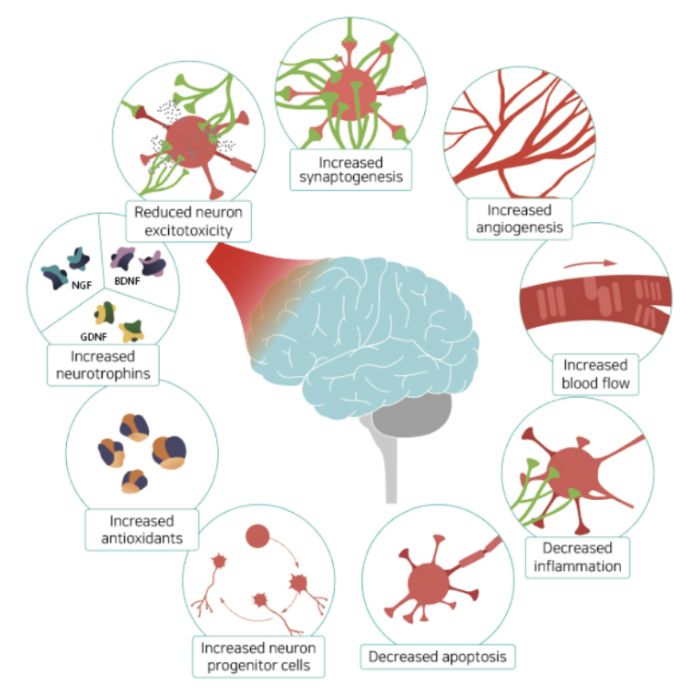
Photobiomodulation uses specific wavelengths of red or near-infrared light. Research into its potential applications is ongoing, and the quality and strength of evidence vary depending on the condition or use being considered.
It should not be advertised as improving brain function, reducing inflammation, relieving pain or repairing tissue unless those specific claims are supported by acceptable evidence and are appropriate to the service being offered.
Clients should be informed about:
the intended purpose of the service
relevant limitations
possible risks or precautions
alternative options
whether the service is suitable for their circumstances
Available services
References
https://www.imedisync.com/en/products/isyncme-technology/